Instead of assuming that simply being present on social media will attract your audience, you need to be much more aggressive and strategic about the process.
These facts and approaches will help create effective branding campaigns for social media.
1. Know the Obstacles
To create the best branding campaign, you need to know what you’re up against.
A major obstacle is that social media users often do everything in their power to avoid advertisements.
Social media platforms also empower users to choose what they want to see, so simply posting content doesn’t guarantee it will be viewed.
Consumers find ads irritating, and you don’t want your brand associated with that feeling.
This is why organic engagement, such as responding to complaints or joining online conversations, often become more effective branding methods.
Simply make sure your profile contains your striking logo and company information.
2. Think Culture
One of the outcomes of social media, which experts didn’t predict, is that people started creating their own cultures online.
Being connected online empowered previously isolated individuals to join up and form crowd-cultures.
For example, people with specific diets, environmental views or niche interests can now easily find likeminded individuals.
In addition, technology empower these groups to create their own content, such as videos shot with mobile phones.
How do you use this as an opportunity, rather than an obstacle?
Take up the challenge to join in with spreading the ideas these groups find important, rather than only focusing on your own brand message.
Partnering with them, such as supporting a certain cause, will force them to take notice, make your content popular with that niche and ensure sharing.
This will improve your brand exposure and draw followers from others who are part of these cultures.
3. Services vs. Products
Understand that what you offer will determine how you need to brand yourself.
Sharing about products may be easier than promoting services that people can’t visualize or view in store.
This requires your branding campaign to focus even more on promoting your values such as innovation or quality service.
4. Remember Demographics
Even though social media is popular and used by all ages, you can’t assume your content will work the same with all demographics.
The impact of branding will be more pronounced with the younger generation, so for other groups your branding strategy will look different than only prioritizing online content.
Always research the group you want to reach, so you know what medium is most likely to reach them.
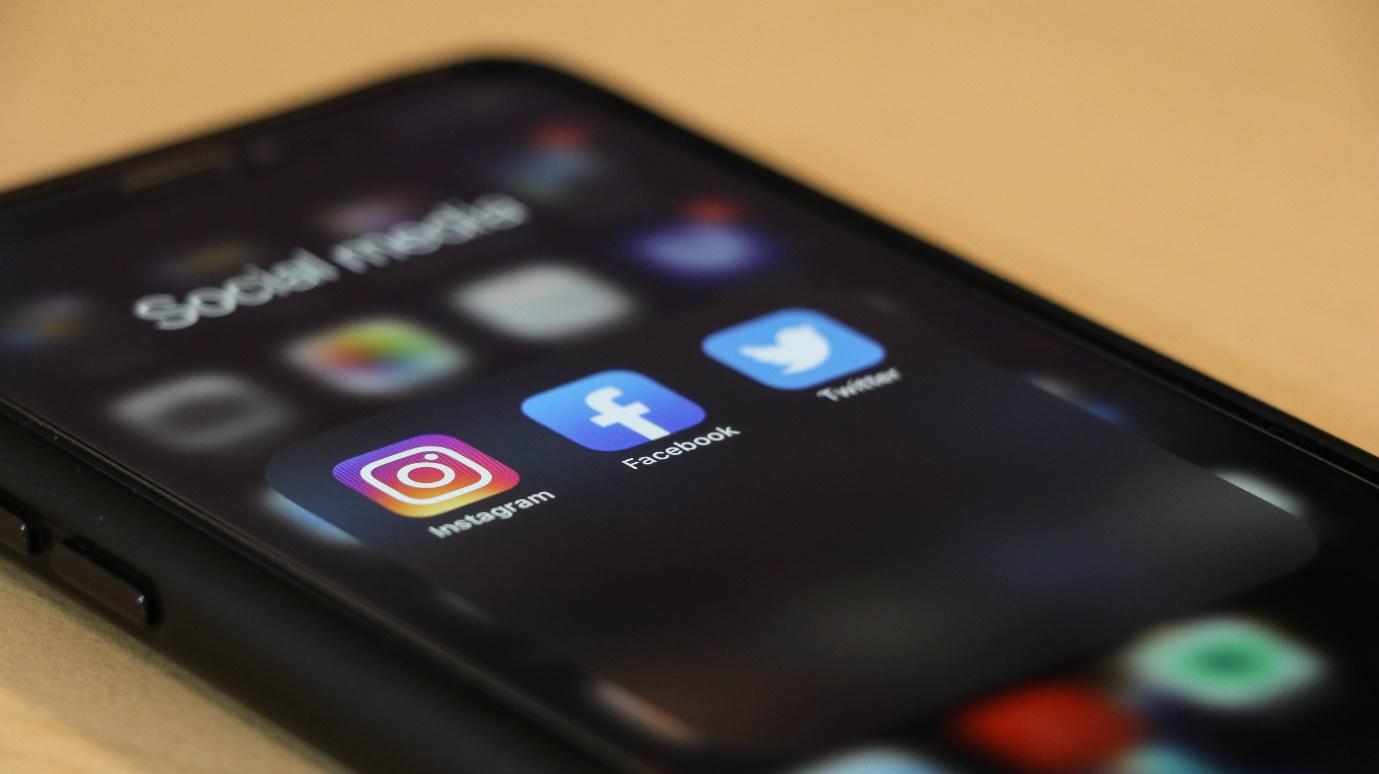
5. Pick the Right Social Media Platform
Different types of people also use different social media platforms.
Simply focusing on Facebook—since it’s popular and has features focused on businesses—can cause you to miss out on a large group of people preferring Instagram or LinkedIn.
The latter is especially important for reaching business professionals.





![[2021] The 6 Most Affordable SEO Services for Small Business](https://www.growthsaloon.com/wp-content/uploads/2021/01/2021-The-6-Most-Affordable-SEO-Services-for-Small-Business.png)
